Is it normal for teeth to wiggle a little? If you’ve noticed a tooth shifting when you bite or press it with your tongue, it’s natural to worry. Knowing the difference between normal tooth movement and a warning sign can help you decide when to get it checked.
At Advanced Dentistry of Mohegan Lake in Mohegan Lake, NY, our dentists do thorough evaluations to find the cause of loose teeth and the right treatment, including more advanced cases involving implants, TMJ treatment, and bite problems.
Why Teeth Wiggle
Stable teeth are a big part of good oral health. When teeth are firmly rooted, you can chew and bite properly, which helps with digestion and nutrition. Teeth aren’t glued in place, though. Each one sits in a small ligament that lets it move a tiny bit, like a shock absorber when you chew.
When movement goes beyond that, it can cause discomfort or point to a problem with your gums, bone, or bite.
Natural vs. Abnormal Tooth Movement
Not all tooth movement is a cause for alarm. Slight movement when pressure is applied is normal, especially in children losing baby teeth or in people wearing braces or aligners. But movement in adult teeth that you can feel on your own, or that keeps getting worse, should be checked by a dentist. Advanced Dentistry of Mohegan Lake can tell you whether what you’re feeling is normal for you.
Common Causes of Loose Teeth
Periodontal Disease
Advanced gum disease, or periodontitis, is one of the main causes of loose teeth. As it gets worse, it damages the gums and the bone that hold your teeth in place. You might notice bleeding when you brush, gums pulling away from your teeth, or bad breath that won’t go away. Preventive measures like brushing, flossing, and regular cleanings go a long way.
Injury and Trauma
A fall, a sports hit, or biting down hard on something unexpected can loosen a tooth. How loose it gets depends on how strong the impact was. If a tooth feels loose after an injury, call your dentist even if it doesn’t hurt much.
Bruxism
Grinding or clenching your teeth at night wears them down and can loosen them over time. Many people don’t know they grind until they notice jaw soreness, morning headaches, or flattened teeth.
Occlusion and Bite Problems
When your bite doesn’t line up well, some teeth take more force than others, which can lead to looseness. Advanced Dentistry of Mohegan Lake uses tools like the T-Scan digital bite sensor to see exactly how force spreads across your teeth when you bite.
Early Symptoms and What to Look For
You might notice tenderness or slight pain when chewing, new spaces between teeth, a change in how your teeth fit together, or a tooth that moves when you press it. Food getting stuck in a new spot can be a clue too.
Long-Term Implications of Untreated Loose Teeth
Ignoring loose teeth can lead to tooth loss or more involved treatment later. It can also affect your digestion if chewing becomes difficult and you start avoiding certain foods. The earlier a loose tooth is checked, the more options you usually have.
What to Expect From Diagnosis and Evaluation
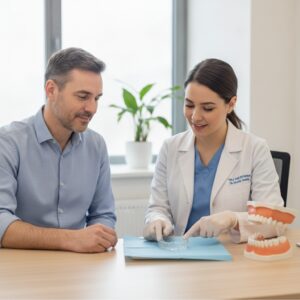
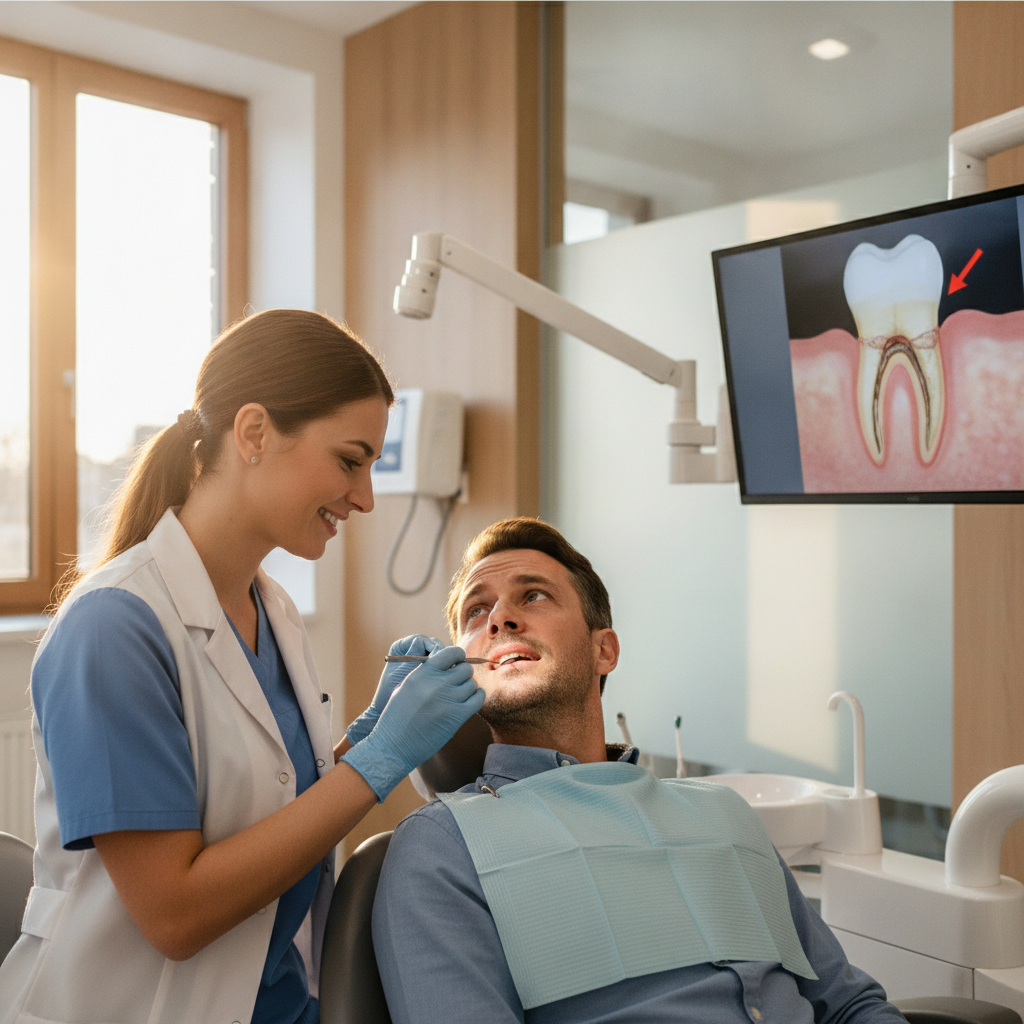
A consultation at Advanced Dentistry of Mohegan Lake starts with a conversation about your symptoms. Then the team uses diagnostic tests, such as X-rays and periodontal probing, which measures the space between your gums and teeth, to find the cause.
Treatment Options for Loose Teeth
Traditional vs. Advanced Methods
Treatment can range from scaling and root planing, a deep cleaning for gum disease, to more complex solutions like dental implants. If your bite is part of the problem, adjusting it can take pressure off the loose tooth.
How Implants Help When a Tooth Can’t Be Saved
When a tooth can’t be saved, implants offer a durable and functional replacement. The implant acts like a new root in your jaw, so the replacement tooth feels steady when you eat and talk.
Advanced Dentistry of Mohegan Lake’s Approach to Patient Care
Advanced Dentistry of Mohegan Lake focuses on patient comfort, with sedation options like oral sedation and nitrous oxide, and uses advanced technology like Yomi robotic implant surgery to improve precision. Our multilingual doctors take time to explain what’s going on and what your choices are.
FAQs About Teeth That Wiggle a Little
Is tooth mobility always a sign of gum disease?
Not always. A dentist can tell whether the cause is gum disease, grinding, an injury, or something else.
Can loose teeth be saved?
That depends on how much damage there is. Early treatment can often prevent tooth loss.
How do implants compare with other solutions?
Implants are fixed and work like natural teeth, with both functional and cosmetic advantages.
When should I seek evaluation?
Book a consultation if you notice a tooth that keeps moving or seems to be getting looser.
Keeping Your Smile Strong
If you’re dealing with a loose tooth, contacting Advanced Dentistry of Mohegan Lake is a smart step toward protecting your oral health. Our team is ready to evaluate your teeth and talk through personalized care options. Schedule an appointment to get a clear answer to the question: Is it normal for teeth to wiggle a little for your own smile?