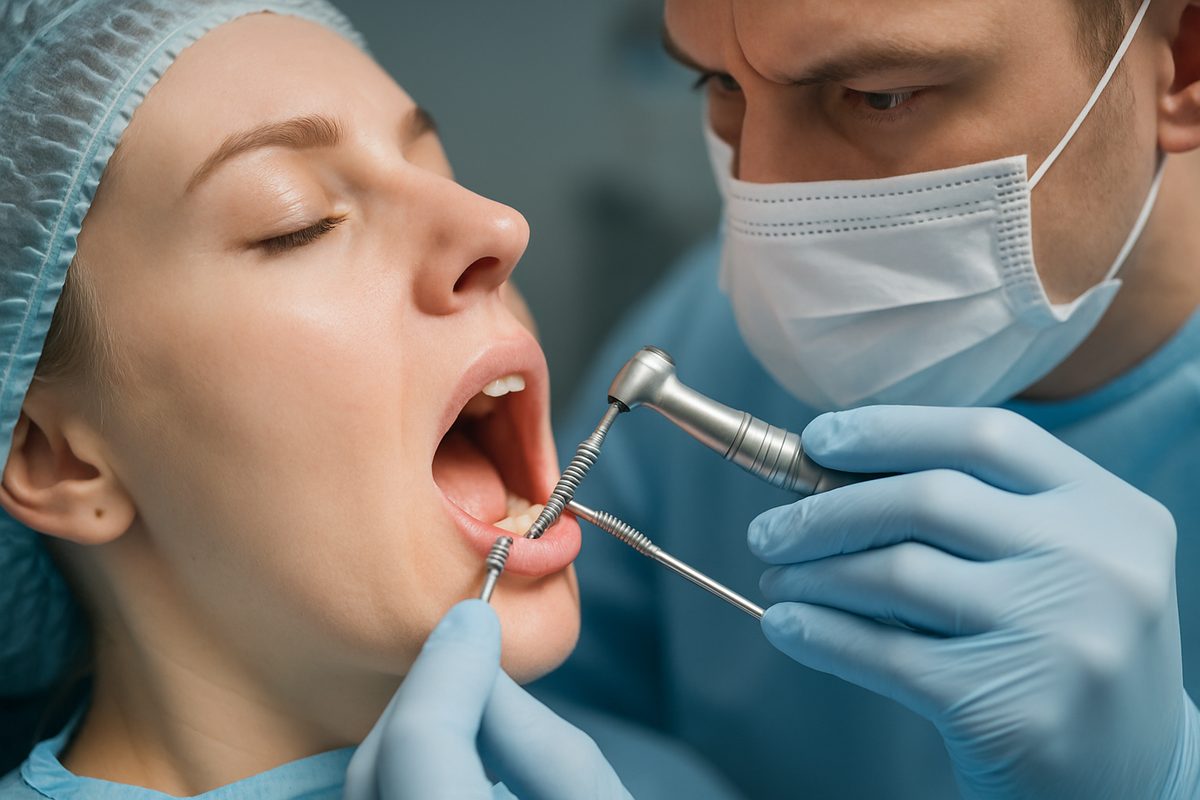
An implant procedure dental replaces a missing tooth root with a titanium post and a final tooth crown or prosthesis. This post explains who is a good candidate, the steps of a dental implant procedure, what happens during surgery, risks, prep, recovery, and basic cost and insurance facts. It’s for people considering dental implants who want a clear, realistic view before booking surgery.
Who is a good candidate for an implant procedure dental?
Health and dental factors
Good candidates have healthy gums and controlled medical conditions. Untreated gum disease or uncontrolled diabetes raise risk. Your dentist will review your medical history, current meds, and oral health to confirm suitability for a dental implant procedure in Mohegan Lake, NY.
Bone volume and need for grafting
Sufficient jawbone density is needed to anchor a dental implant. If bone has resorbed, grafting can rebuild it but adds time and cost. Imaging will show whether grafting is needed before a dental implant procedure in Mohegan Lake, NY.
Age, medications, smoking, and chronic conditions
Adults of most ages can get dental implants, but certain meds (bisphosphonates), heavy smoking, or chronic illness can affect healing and success. Your provider will discuss risks and ways to improve outcomes.
Steps of the implant procedure dental
Initial consult and planning
The first visit covers exam, medical history, and goals. Your dentist outlines options and creates a treatment plan for your dental implant procedure.
3D imaging and treatment mapping (CBCT, Smile Preview)
CBCT 3D scans and Smile Preview help map bone, nerves, and sinus locations. This improves accuracy and predicts final appearance.
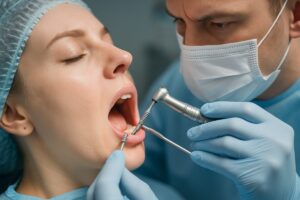
Surgical placement of the dental implant (anesthesia options)
The dental implant post is placed in bone under local anesthesia or sedation. Options include computer-assisted injections (The Wand) and NuCalm for anxious patients.
Healing and osseointegration — what happens next
Bone grows onto the dental implant over weeks to months (osseointegration). Temporary teeth may be used while you heal.
Abutment and final tooth crown or prosthesis
After healing, an abutment attaches to the dental implant and a custom tooth crown or prosthesis is made to match your bite and smile.
What to expect during surgery
Typical procedure timeline and sensations
A single dental implant placement often takes 30–90 minutes. Expect pressure but minimal pain during the procedure; most soreness starts after numbness wears off.
Anesthesia and comfort tech (The Wand, NuCalm, sedation)
Comfort tech like The Wand for gentle numbing, NuCalm for relaxation, or oral/IV sedation are available to reduce anxiety and pain.
Common immediate side effects and how they’re managed
Swelling, bruising, mild bleeding, and discomfort are common. Ice, soft diet, prescribed pain meds, and short-term antibiotics or mouth rinses help control symptoms.
Risks, complications, and how they’re minimized
Infection, dental implant failure, nerve or sinus issues
Risks include infection, failure of osseointegration, or nerve/sinus problems. Careful planning and surgical technique lower these risks.
How advanced tech reduces risk (PIEZOSURGERY®, CBCT, lasers)
PIEZOSURGERY, CBCT imaging, lasers, and guided surgery reduce tissue trauma and improve precision, lowering complication rates.
How to prepare for your implant procedure dental
Pre-op instructions: meds, fasting, arranging transport
Follow pre-op directions: stop certain meds if advised, fast for sedation cases, and arrange someone to drive you home.
Tips to improve healing: quit smoking, optimize health
Quit smoking, control blood sugar, and eat a nutrient-rich diet to support healing and dental implant success.
Aftercare and realistic recovery timeline
Diet, oral hygiene, and activity limits
Stick to soft foods, avoid heavy exercise 48–72 hours, and keep the area clean with gentle rinses. Brush and floss other teeth normally.
Follow-up schedule and signs that need prompt care
You’ll have follow-ups to check healing and fit of the restoration. Seek care for severe pain, swelling that worsens, fever, or loose dental implants.
Cost, timeline, and insurance basics
Typical phases that affect cost (grafts, number of implants, restorations)
Costs vary by grafting, number of dental implants, and the type of restoration. Staged treatment and materials affect overall price.
Financing options and insurance realities
Dental plans may cover parts of the process; many offices offer financing to spread payments.
Why choose Advanced Dentistry of Mohegan Lake for implant procedure dental
Brief intro to the doctors and their dental implant training (light glazing)
Advanced Dentistry of Mohegan Lake offers two doctors with dental implant residencies and advanced training who focus on predictable, patient-centered care.
Key tech used to improve accuracy and comfort (CBCT, The Wand, NuCalm, T-Scan)
The practice uses CBCT, The Wand, NuCalm, Tekscan T-Scan, PIEZOSURGERY, and Smile Preview to improve accuracy and comfort during a dental implant procedure in Mohegan Lake, NY.
Patient-focused planning and financing options
They provide clear treatment plans, patient education, and flexible financing to help make implant care accessible.
Schedule Your Dental Implant Consultation in Mohegan Lake, NY
To schedule a consult, bring a list of medications, dental history, and pictures of your smile. Contact us to book a planning visit. This is the best way to get personalized answers and a clear timeline for your implant procedure dental in Mohegan Lake, NY.